
Share

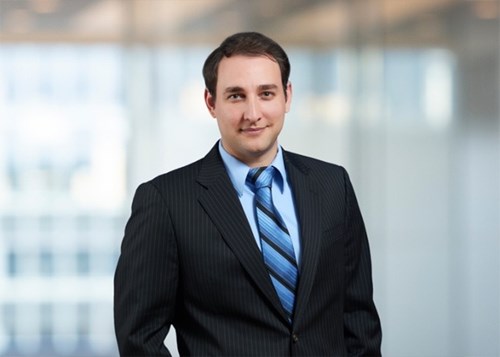
Jared Frisch, Partner, Washington
https://www.cov.com/en/professionals/f/jared-frisch
Alexa Hansen, Partner, San Francisco
https://www.cov.com/en/professionals/h/alexa-hansen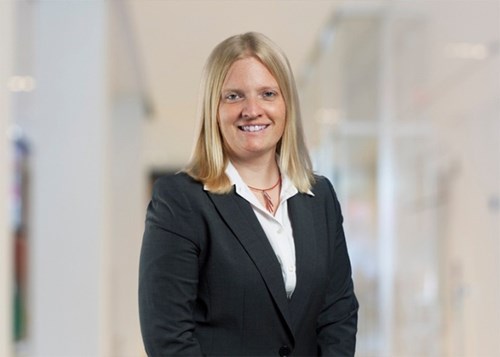
Describe your practice - what types of clients do you represent and what types of matters do you work on?
Jared Frisch
My practice focuses on patent litigation across a wide range of technologies and forums. I represent clients whose products span medical devices and pharmaceuticals to high‑tech innovations such as organic light‑emitting diode displays, with a primary emphasis on complex, high‑tech matters. I regularly litigate cases in federal district courts, the U.S. International Trade Commission, and before the Patent Trial and Appeal Board. I also handle appeals from these proceedings, including matters before the Federal Circuit.
Alexa Hansen
I am a life sciences patent litigator, meaning the patents I litigate tend to be those that have a chemistry, medical, biological, or pharmaceutical sciences focus. In particular, I litigate the patents that cover FDA-approved drugs. My clients are typically large innovator pharmaceutical clients, and the products we work on span the gamut from drugs indicated for small patient populations to large blockbusters–i.e., the type of drug that’s advertised on TV. But outside the somewhat specialized nature of the subject matter of the litigation, the heart of what I do is the same as any litigator: draft briefs, argue in court, take and defend depositions, and negotiate with opposing counsel to resolve disputes.
Tell us about your experience working with colleagues across offices, and how Covington's culture plays into this.
Jared Frisch
I regularly work with colleagues across Covington’s offices, and the firm’s collegial and collaborative culture makes that cross‑office teamwork seamless. We staff matters across our domestic and international offices, so a single litigation team may include lawyers in Washington, D.C., San Francisco, and Seoul, among other locations. That approach allows us to draw on deep subject‑matter expertise and diverse perspectives tailored to each matter. In my experience, this collaboration strengthens both the quality of our advocacy and the client experience.
Alexa Hansen
I live in SF, but work with many colleagues who are in different offices, primarily on the east coast. The patent litigation group staffs matters with a view towards who is the right fit for the team, regardless of which office you may be in. This means that matters tend to have a mix of people from multiple offices. Although my colleagues are very accommodating of meeting times, given my earlier time zone, I’m a morning person, so I actually prefer having early morning meetings.
How did you choose this practice area?
Jared Frisch
Before law school, I earned an undergraduate degree in Electrical and Computer Engineering and worked as a practicing engineer in microprocessor design. I chose patent litigation because it allows me to remain deeply engaged with cutting‑edge technology while applying legal analysis to complex technical disputes. I have always had a strong interest in how technology works and how it evolves, and patent litigation offered a way to continue building on that foundation from a new perspective. The practice allows me to bridge engineering and law in a way that is both intellectually challenging and professionally rewarding.
Alexa Hansen
I always wanted to be a lawyer, but I discovered my deep love of chemistry when I was in high school. In college, I majored in chemistry and had a summer job that exposed me to patents. It was then I realized that I could be a lawyer while still keeping my hands in the science that I found so fascinating. I spent some time as a patent prosecutor, but ultimately recognized that I prefer the more presentational aspects of being a litigator (I have a bit of a flair for the dramatic!). Patent litigation fit the bill.
What is a typical day like in your practice?
Jared Frisch
There is no typical day in my practice, which is one of the aspects I enjoy most. On any given day, I may be meeting with engineers to discuss their inventions or analyzing and tearing down accused products to better understand how they operate. A significant part of my work involves collaborating with technical experts to evaluate how a person of ordinary skill in the art would understand the patents at issue. That technical foundation carries directly into my role as a litigator, where I take depositions, draft and argue motions, and advocate for clients in court.
Alexa Hansen
It really depends on what the upcoming deadlines are for my matters. For example, right now I have a matter in post-trial briefing and another matter that is in expert discovery, both with submission deadlines in the next month. On a given day I’ll spend some time on both matters–for example, discussing legal issues on which we need to understand the case law for the briefing, and figuring out how the expert might consider some of the underlying science to explain the patent field of art. Then, I’ll spend some of my time on business development or firm-focused work, like the summer program or associate development. I also usually have one or two pro bono cases I’m overseeing, and will make myself available to the associates to field questions.
What training and experience would you recommend for someone who is interested in your practice area?
Jared Frisch
While a science or engineering background can be helpful, it is not a prerequisite for practicing patent litigation. The most important qualities are intellectual curiosity about technology and a willingness to learn new and often complex subject matter. From an academic perspective, taking as many intellectual property–focused courses as possible is valuable, but much of the substantive skill set is developed through hands‑on experience. In my view, on‑the‑job training and exposure to real disputes are critical to developing as an effective patent litigator.
Alexa Hansen
To be a patent litigator, you just need to be a litigator who is not afraid of science. While having a technical degree can be helpful, it’s definitely not a requirement. In terms of experience, patent litigators tend to take cases to trial more than in other areas of civil litigation, so it’s a good idea to hone your presentation skills and your ability to succinctly explain what can be complicated issues to an audience that has no background in the field.
What do you like best about your practice area?
Jared Frisch
What I enjoy most about my practice is the opportunity to constantly learn about new and emerging technologies. Patent litigation often places me at the forefront of innovation, working with technologies that are just entering—or have not yet reached—the consumer market. I also value the dynamic nature of the work, which allows me to wear two hats: one as a lawyer and one as an engineer. That blend of legal advocacy and technical problem‑solving is what makes the practice especially engaging for me.
Alexa Hansen
I love being able to work with some of the most respected experts in the field and learn from their deep subject area knowledge. I also think this is one of the few professions, outside of being a researcher, where I still get to play with Chemdraw and think deeply about scientific advancements.
What is unique about your practice area at Covington?
Jared Frisch
What distinguishes my practice at Covington is the breadth of the firm’s platform and the range of matters it supports. While my practice is rooted in patent litigation, Covington’s large, international footprint exposes me to a wide variety of clients and technologies across industries and jurisdictions. The firm’s depth across practice areas also allows me to apply my technical background beyond traditional IP disputes, including in matters where technology intersects with broader commercial or regulatory issues. That combination makes the practice both dynamic and intellectually rewarding.
Alexa Hansen
Lawyers will often joke that they became lawyers because math and science was not their forte. In patent litigation, that is very much not true–many of my colleagues are accomplished scientists in their own right. But other than that, patent litigation is very similar to any other type of litigation: We take depositions. We argue motions. We have disputes with opposing counsel. We ultimately present our case to a trier of fact to resolve an issue that the parties cannot resolve on their own.
What kind of experience can summer and junior associates expect to gain in this practice area at Covington?
Jared Frisch
Summer and junior associates can expect to gain a realistic and substantive view of patent litigation practice at Covington. From the outset, associates are closely integrated into litigation teams and work collaboratively with lawyers across levels and offices. Junior associates are encouraged to hit the ground running, with opportunities to assist on discovery, motions, depositions, and trial preparation. That early hands‑on experience allows associates to develop both technical and litigation skills in a meaningful way.
Alexa Hansen
For our summer associates, we try to expose them to the types of questions and tasks that they will do when they rejoin us as associates. This can mean anything from researching a legal question to sitting in on a deposition prep. As an associate, their first year will depend a lot on the stage of the case they join. For example, one of my junior colleagues took his first deposition and helped defend two depositions in his first six months as the firm; another junior colleague helped with expert deposition defense and preparing for trial.
How do you envision this practice area will evolve in the future?
Jared Frisch
As a technology‑driven practice, patent litigation will continue to evolve alongside the technologies it addresses. While shifts in policy and procedural rules may make certain forums more or less attractive over time, the core litigation framework is likely to remain generally consistent. What I believe will change most is the subject matter, as new technologies present novel legal and technical questions. That constant evolution is one of the aspects that makes the practice particularly dynamic and engaging.
Alexa Hansen
As I mentioned earlier, my practice is FDA-adjacent, meaning that, so long as new drugs continue to be approved, there is likely to be patent litigation. This also means that Congress can–if they want to–impose new ways that govern how these types of products can be litigated. I expect that AI will continue to play a larger and larger role in how litigators approach at least the discovery and briefing aspects of litigation.
Share


